When the Body Became the Museum: The 2026 Met Gala
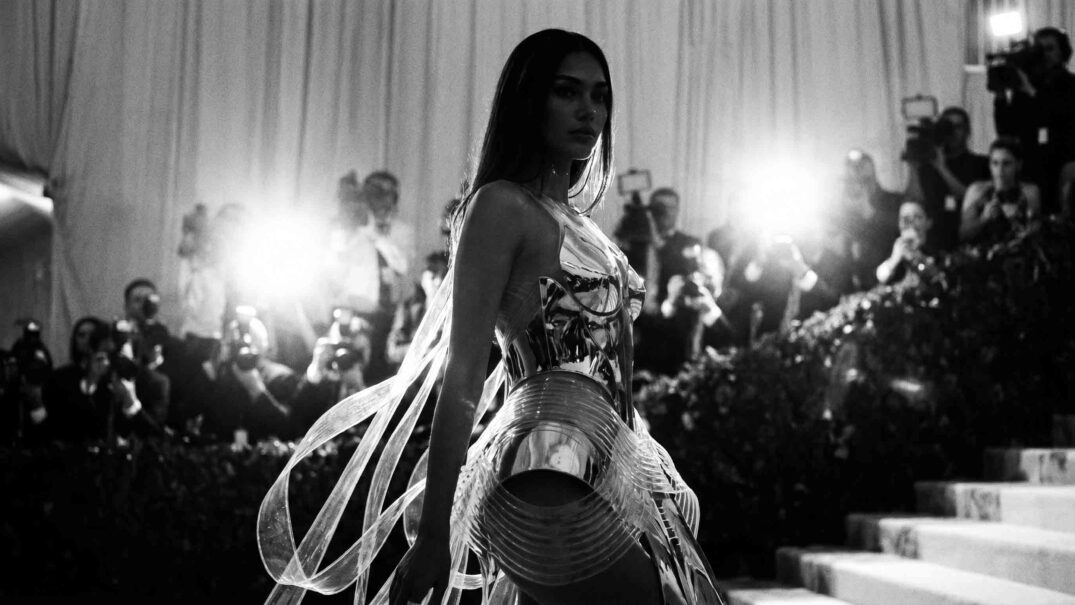
In this 2026 Met Gala cinematic analysis, we witness a transformation. For a few hours last night, the steps of the Metropolitan Museum of Art became a living cathedral—a collision of silk, performance, and carefully constructed illusion.
For a few hours last night, the steps of the Metropolitan Museum of Art no longer looked like the entrance to a museum. They looked like a living cathedral of silk, flash photography, performance, ego, and carefully constructed illusion.
The Met Gala 2026 has always existed somewhere between fashion ritual and cultural theater, but this year, the illusion became almost complete. Under the theme “Costume Art” and the dress code “Fashion Is Art,” celebrities did not simply arrive wearing clothes. They arrived as moving sculptures, cinematic fantasies, and meticulously engineered symbols.
At its worst, the night flirted with the familiar emptiness of modern spectacle outfits designed less to express something than to survive the algorithm by morning. But at its best, the gala asked a far more interesting question:
What happens when fashion stops decorating the human figure and begins transforming it into art itself?
That tension defined the evening.
Fashion as Liquid Architecture:
Some silhouettes felt carved rather than tailored. Gowns moved like liquid architecture beneath the museum lights, while sharp black suiting appeared almost armor-like in its severity. Several attendees embraced sculptural Grecian drapery, theatrical veils, and exaggerated layering that blurred the line between couture and costume design. Yves Klein blue appeared repeatedly throughout the carpet, turning portions of the night into something closer to a living canvas than a celebrity arrival line.
The strongest looks were not necessarily the loudest or most expensive. They were the ones who understood restraint, proportion, and presence, the ones who felt aware of the person beneath the garment rather than trying to erase them beneath spectacle. And that distinction matters.
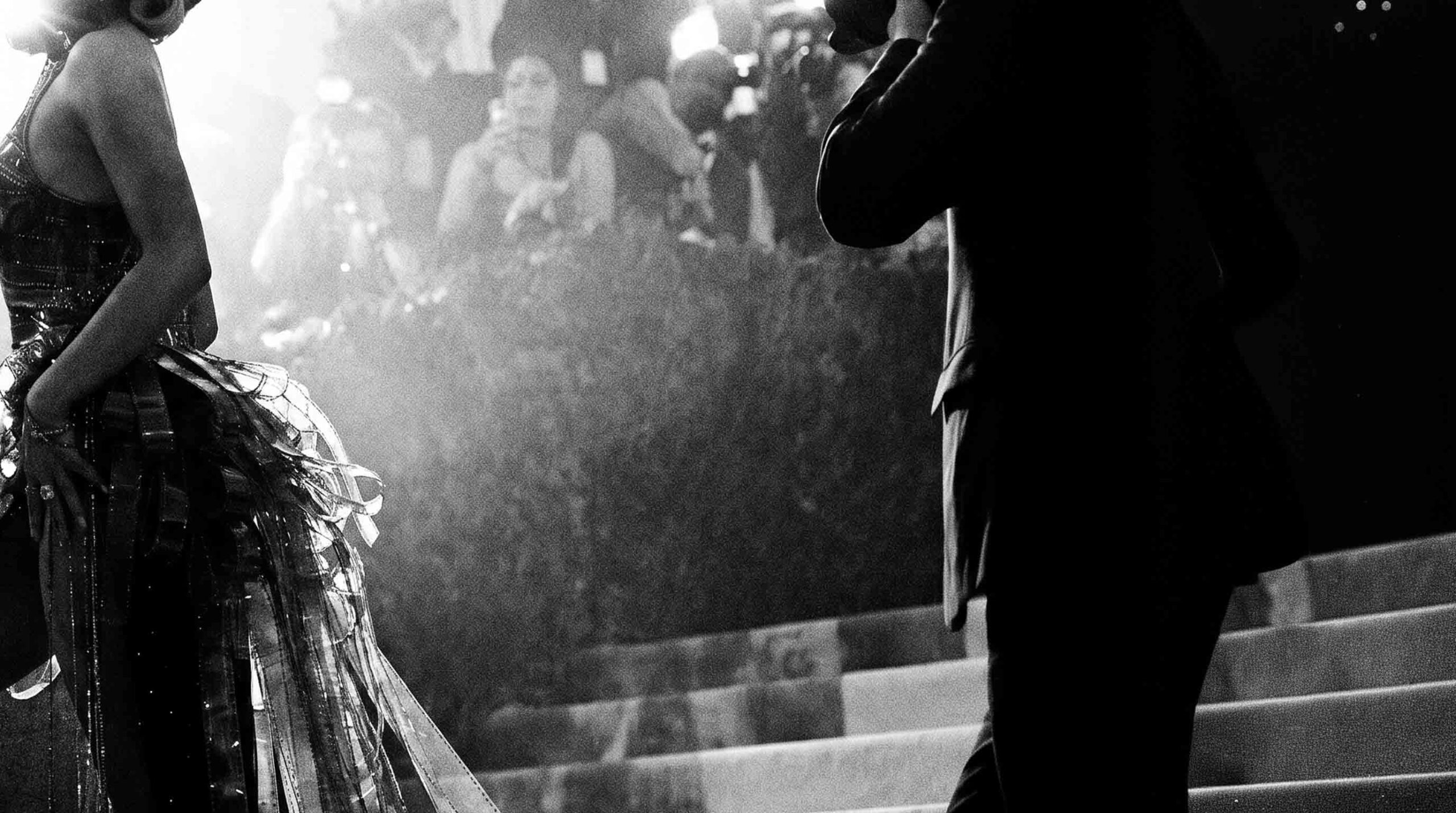
Artistic Narrative of 2026 Met Gala – Fashion Is Art Performance
Beyond Synthetic Perfection:
For years, celebrity fashion has increasingly drifted toward a kind of synthetic perfection: hyper-managed faces, hyper-curated identities, hyper-exposed aesthetics engineered for endless social media circulation. But many of the most memorable moments from this year’s Met Gala pushed in another direction. They embraced texture, theatricality, mystery, and even discomfort. Some stars looked beautiful. Others looked strange. A few appeared almost untouchable — suspended somewhere between humanity and mythology.
That is where fashion becomes culturally interesting again.
Fashion, historically, was never just decoration. It was a hierarchy. Seduction. Religion. Power. Rebellion. Armor. Fantasy. Every civilization dressed itself according to what it feared, worshipped, desired, or tried to control.
This year’s accompanying exhibition understood that idea better than many recent galas have. By placing garments beside paintings, sculptures, and historical objects across the museum, the exhibition quietly argued something larger: art history has always been obsessed with physical presence. Fashion makes that obsession impossible to ignore.
And unlike the sterile minimalism that dominated parts of the 2010s, this year’s carpet felt willing to embrace drama again. Not irony. Not performative relatability. Drama. Grandeur. Excess. Mystery.
Thankfully.
Culture does not survive on safety alone. Art does not become memorable because it is sanitized for universal approval. The most enduring fashion images in history were often seductive, divisive, theatrical, or even unsettling when they first appeared. They elicited an emotional reaction long before they reached consensus.
That energy briefly returned to the Met steps last night.
At certain moments, the carpet stopped feeling like celebrity marketing. It felt like old Hollywood mythology colliding with performance art and Renaissance portraiture — filtered through luxury branding, internet narcissism, and modern identity politics. Beautiful and absurd. Artificial and deeply human.
Which is precisely why people still care.
2026 Met Gala: The Ancient Obsession with Appearance
Because beneath the diamonds, stylists, sponsorships, and millions of phone screens, the Met Gala still taps into something ancient: humanity’s obsession with transforming appearance into meaning.
And for one night in New York, the museum no longer contained the art.
For one night, the museum no longer contained the art.
The people became the exhibition.
Beyond the Met, the dialogue between identity and art continues. Explore our exclusive feature on [House of Dastan: A Cinematic Fragrance Narrative, “A Fragrant Conversation with the Founders of House of Dastan” where we examine how scent and visual storytelling redefine the boundaries of human emotion